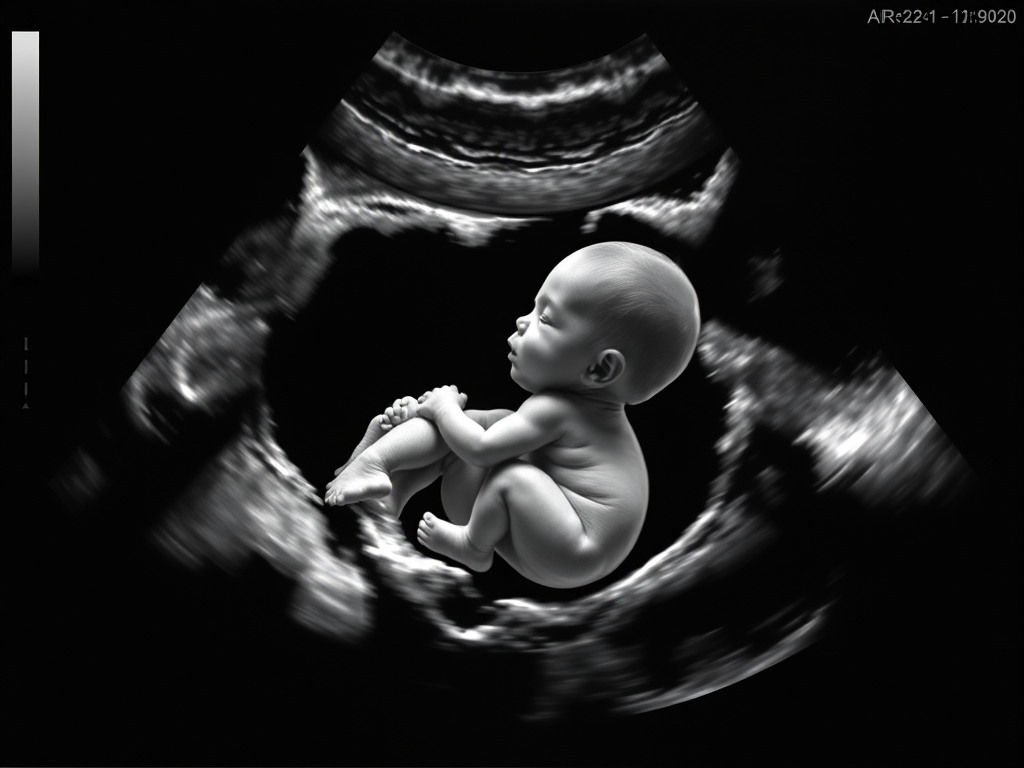
It’s not uncommon during pregnancy to hear your provider say, “Your baby might be big.” These words can stir up worry, confusion, and even shift how your birth plan is discussed. Often, this estimation comes from an ultrasound, growth scan, or a physical exam (palpation). But here’s something important to remember: these methods are not always precise. Many parents discover after birth that their baby was much smaller—or sometimes larger—than predicted.
So, what happens when a “big baby” is suspected? Frequently, the conversation turns toward induction of labor. In some situations, an induction may be medically necessary and appropriate—especially if other health considerations are part of the picture. But an induction solely because of a suspected “big baby” isn’t always straightforward.
This is where your voice and your questions matter deeply. Here are a few helpful ones to bring to your provider:
- What are the benefits of induction in my situation?
- What are the risks for both me and my baby?
- What do the actual statistics for my situation?
- What are the alternatives?
Knowledge is empowering. When you gather information, you’re able to make an informed choice that feels aligned with your values, your body, and your birth vision.
🌿 Movement Matters
If a baby is truly on the bigger side, positioning during labor becomes even more valuable. Practicing different birthing positions before labor builds muscle memory, so your body already knows how to open the inlet and outlet of the pelvis when it matters most. This can create more space for baby’s descent and help labor unfold with greater ease.
✨ Trust Yourself
Above all, remember that your body and your baby are working together. Whether your baby is average size, “big,” or somewhere in between—you are strong, wise, and capable. With preparation, support, and trust in the process, you’ve got this, Mama.